The difference they made
A CISO left UK payments. An economist and a CTO joined. The gateway OS is what they wrote down.
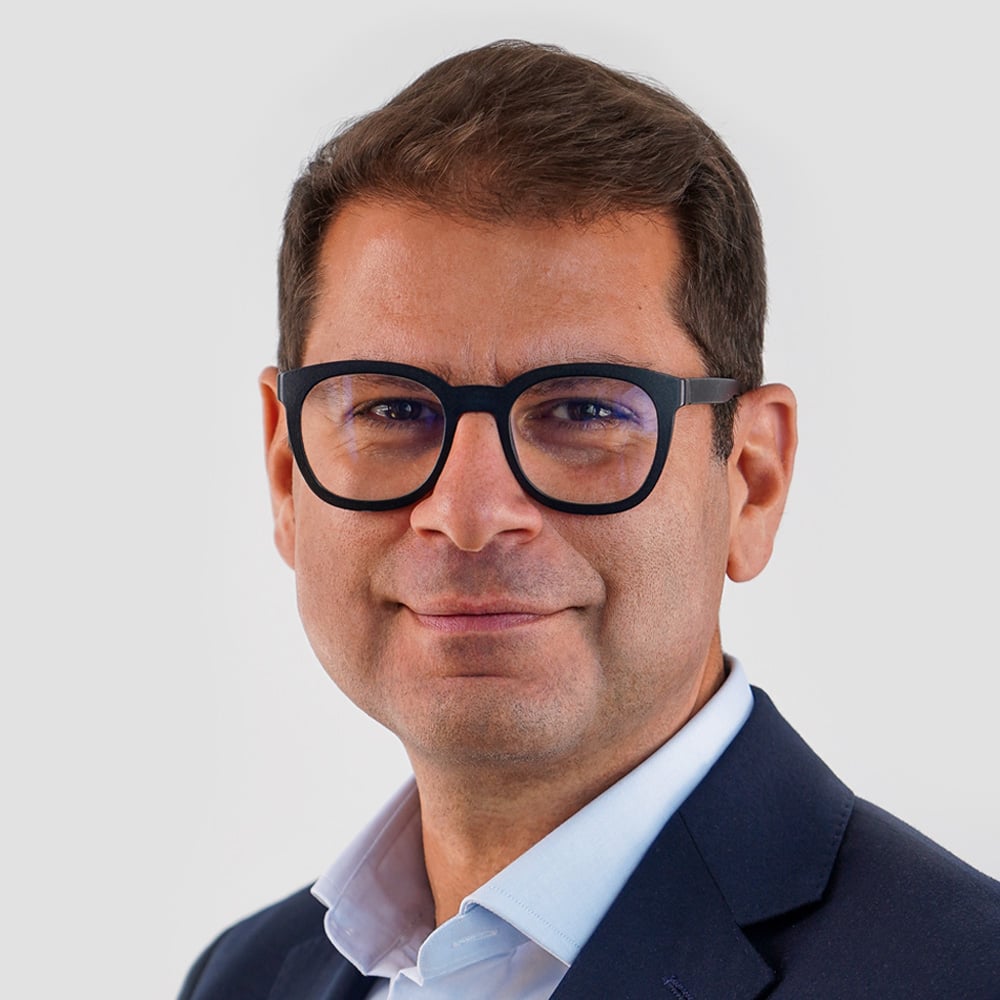
Gilbert Verdian
Blockchain spent a decade asking the world to move onto a new ledger. He asked the opposite. Keep the rails you already trust — Faster Payments, a bank core, Fabric, Ethereum — and put a gateway OS over them, the way TCP/IP sat over physical networks. ISO/TC 307 is that refusal written as a standard. Quant is that refusal written as a company. The scarce resource was never another validator set.
Paolo Tasca
He gave Overledger its philosophy before it had a homepage. The Internet of Value, in his books, is not a growth slogan: it is a warning that moving money like packets will datafy and platformise whatever it touches. A governed gateway is one engineered answer to that warning — so a regulated institution can hop ledgers without becoming an exchange. The risk does not disappear. It is concentrated where it can be audited.
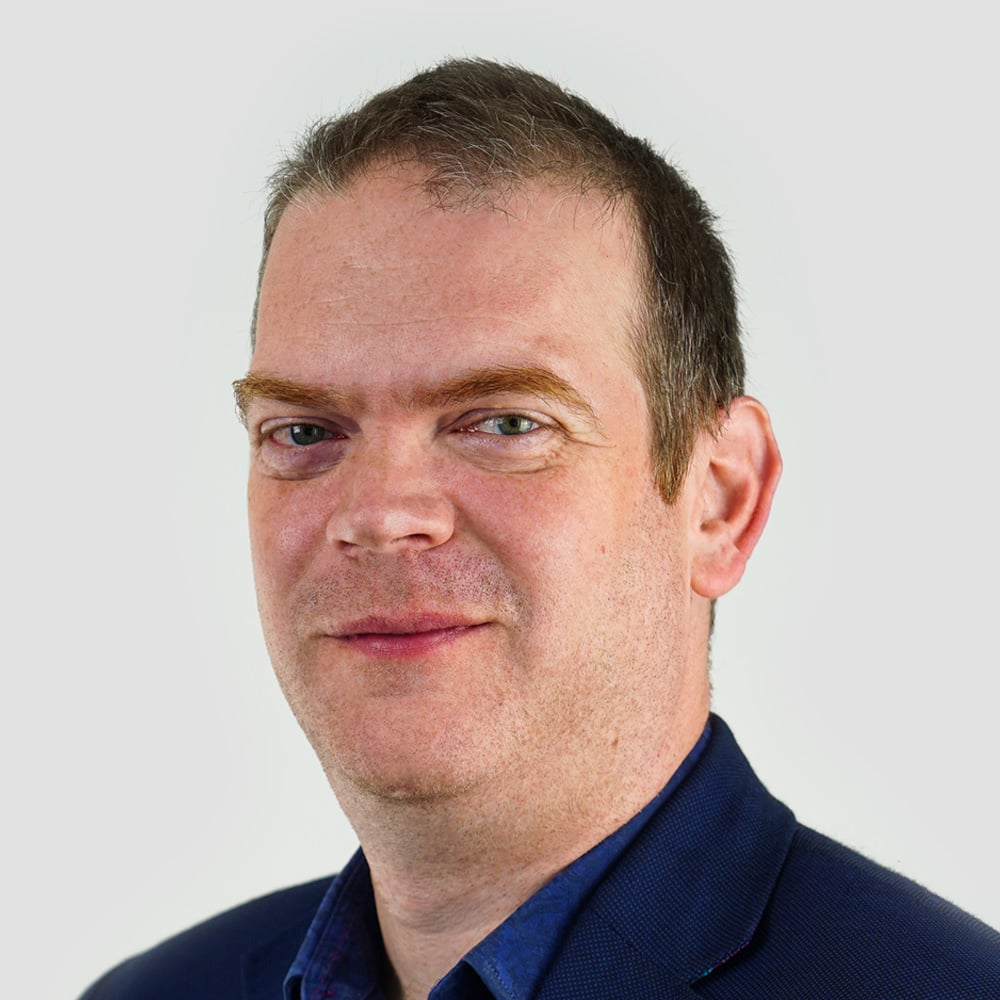
Colin Paterson
The first CTO’s job was to make the philosophy compile. The whitepaper and the ordering patent are the same sentence in two registers: if an asset is going to live on more than one chain, time has to mean the same thing on both sides. That is the difference between a bridge shop and an operating system. Bridges move a token. An OS keeps a clock.
Gaetano Mondelli
He is the inventor on the protocol itself. Applications should not be trapped on a single ledger — that is an engineering claim, not a marketing one. Overledger’s later life in tokenisation is the same instinct: make the asset portable, not the chain special.
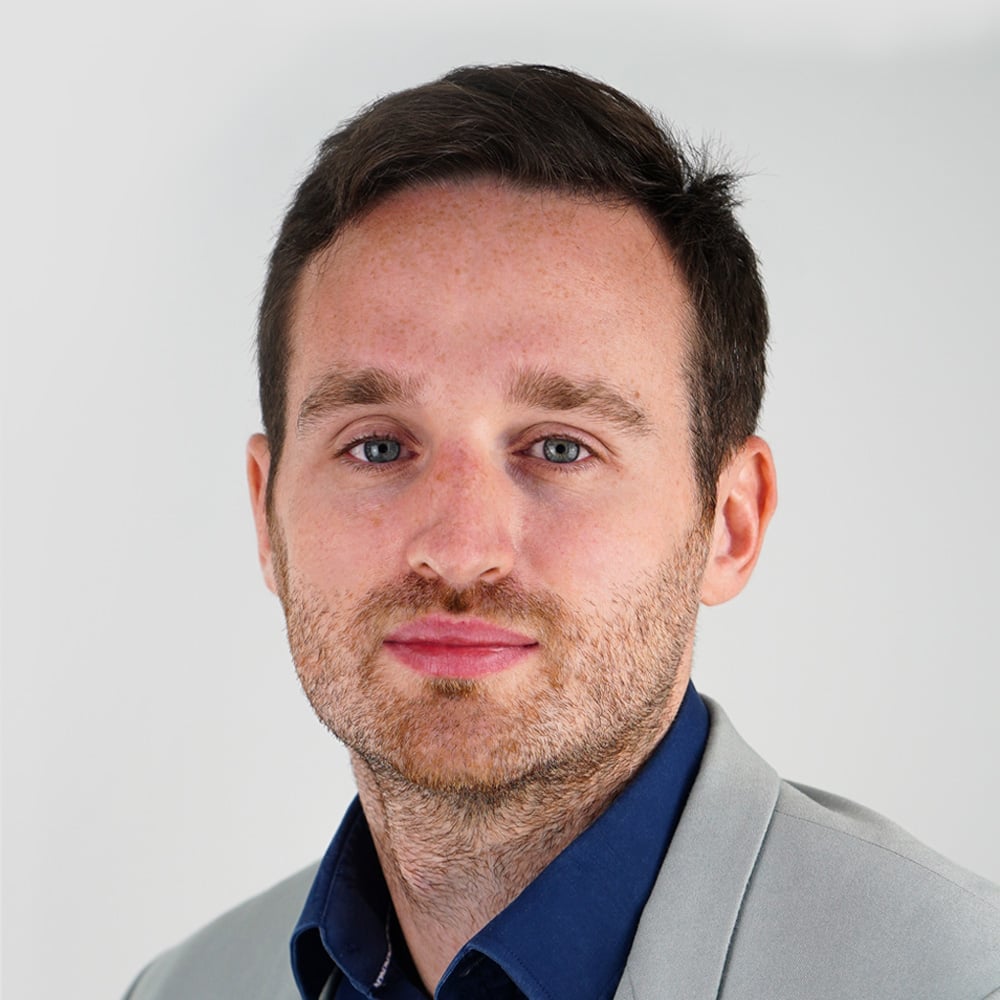
Martin Hargreaves
Thirteen years of Vocalink product is why Quant can talk to a bank without sounding like a protocol working group. SATP is a two-phase commit because payments people already know what atomic settlement has to feel like. He is the reason a gateway OS became something a chief product officer could buy.
Dr Luke Riley
Academia had taxonomies; Quant needed one a procurement team could use. The 2021 options note and the ACM paper put Overledger in a cell — gateway, not bridge, not a twelfth chain — and then Flow Applications taught AI agents to call those same workflows. He made the category legible, then made it callable.
Rafael Belchior
He wrote the map of everything people had tried, then wrote the protocol for the thing Quant actually ships. The ACM survey, the paper with Riley, SATP crash recovery: that is what it looks like when the research engineer is inside the company rather than citing it from outside. Interoperability stopped being a literature review and became a state machine.
Claire Facer & Alex Chiriac
A standard dies in a drawer if nobody chairs the call and nobody implements the connector. Facer co-chairs SATP at the IETF so lock-assertion and 2PC are a public state machine, not a Quant SKU. Chiriac has been wiring Fabric, Corda, Polkadot and XRPL under Overledger since 2018. The difference is the stack actually talks.